
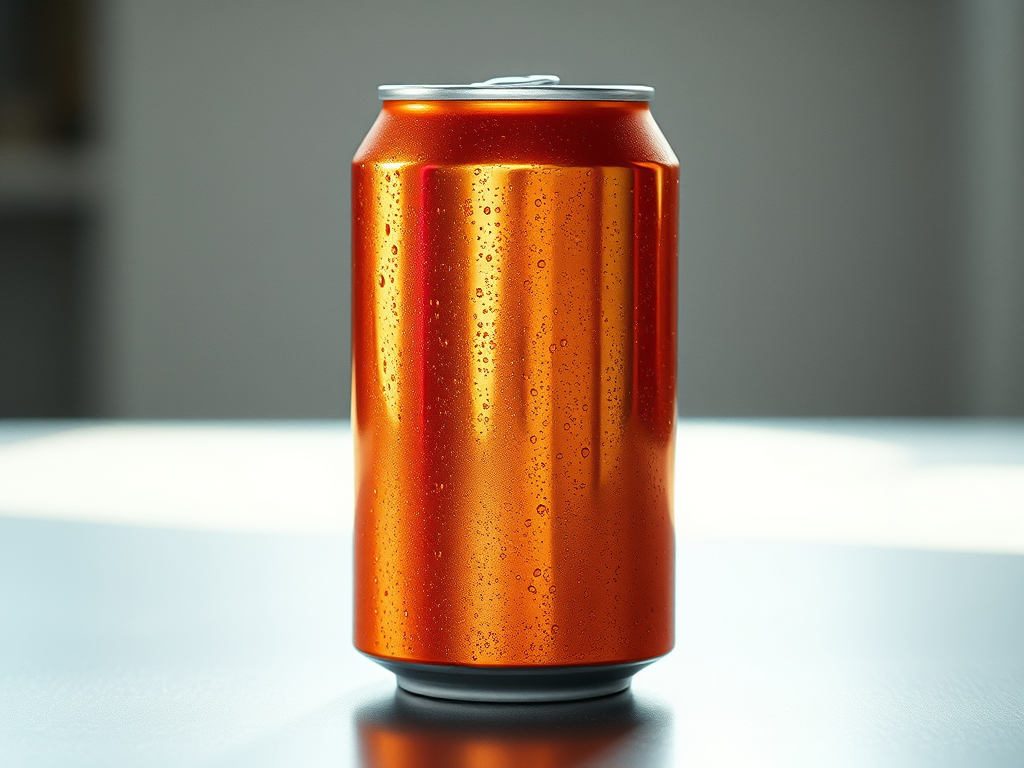
A major study presented at UEG Week 2025 has revealed that both sugar-sweetened and artificially sweetened beverages may significantly increase the risk of metabolic dysfunction–associated steatotic liver disease (MASLD) — a newly updated term for nonalcoholic fatty liver disease (NAFLD).
👉 According to News-Medical, people who drank more than 250 grams (about one can) per day of either regular or diet soda had a 50–60% higher risk of developing fatty liver disease compared to non-drinkers.
This finding challenges the long-held belief that diet sodas are a “safer” alternative to sugary drinks.
📊 Study Details
- Population: 123,788 adults from the UK Biobank
- Follow-up: Median of 10.3 years
- Outcomes: 1,178 cases of MASLD and 108 liver-related deaths
Key Findings:
- Drinking diet beverages was linked to a ~60% higher risk of developing MASLD (Hazard Ratio: 1.599).
- Drinking sugar-sweetened beverages was linked to a ~47% higher risk (HR: 1.469).
- Those who replaced diet drinks with water saw a 15% lower risk, while replacing sugary drinks with water reduced risk by 13%.
🔗 Sources:
🩺 What Is MASLD (Fatty Liver Disease)?
MASLD — previously known as nonalcoholic fatty liver disease (NAFLD) — is a condition in which excess fat builds up in the liver unrelated to alcohol use.
According to the Cleveland Clinic, it’s now one of the most common liver disorders worldwide, affecting nearly one in three adults.
If untreated, it can progress to liver inflammation (MASH), fibrosis, cirrhosis, and even liver cancer.
⚙️ The Science Behind the Risk
The researchers and hepatology experts point to several possible mechanisms explaining why both sugary and diet drinks may harm the liver:
- Fructose Overload
High sugar intake, especially from fructose, triggers de novo lipogenesis — the process of converting sugar into fat in the liver. This contributes directly to fatty liver buildup. - Gut Microbiome Disruption
Artificial sweeteners like aspartame, sucralose, and saccharin may alter gut bacteria, increasing inflammation and impairing metabolism.- Evidence: Nature Reviews Endocrinology
- Insulin Resistance
Chronic consumption of sweetened beverages can worsen insulin resistance, a key driver of metabolic dysfunction. - Hormonal Mis-Signaling
Diet drinks may trick the brain’s sweetness receptors, disrupting satiety hormones (GLP-1, leptin) and encouraging overeating. - Oxidative Stress & Liver Injury
Some studies suggest that artificial sweeteners can cause oxidative stress in hepatocytes (liver cells), leading to inflammation and long-term damage.
🚫 The Diet Soda Myth
For years, diet sodas were promoted as a “healthier” choice for those avoiding sugar. But mounting research — including this 2025 study — suggests that artificially sweetened beverages might not protect your liver and could even increase disease risk.
A related Health.com study previously found that daily consumption of sweetened beverages increased the risk of liver cancer and chronic liver disease deaths among women.
💧 Healthier Alternatives for Liver Wellness
If you want to safeguard your liver, consider replacing sweetened beverages with:
- Water – The best and simplest choice.
- Infused water – Add slices of citrus, cucumber, or mint for flavor.
- Green tea – Contains antioxidants like catechins that support liver detox.
- Sparkling water – Provides the fizz without the sugar or chemicals.
- Black coffee (in moderation) – Linked to lower risk of liver fibrosis and cancer.
📚 Evidence: Harvard School of Public Health
🧠 Practical Liver Health Tips
- Maintain a balanced, whole-food diet with minimal processed sugar.
- Exercise regularly — aim for at least 150 minutes per week.
- Maintain a healthy weight and waist circumference.
- Avoid excess alcohol and smoking.
- Get periodic liver function tests if you have metabolic risk factors.
⚠️ Limitations of the Study
It’s worth noting that the study was observational, meaning it cannot prove cause and effect.
However, the large sample size and dose-dependent relationship between drink intake and liver risk strengthen the findings.
The researchers call for long-term randomized trials to confirm whether reducing sweetened beverages directly improves liver outcomes.
🧩 The Bottom Line
This 2025 study delivers a clear message:
Both sugary drinks and diet sodas are associated with a significantly higher risk — up to 60% — of fatty liver disease.
While more research is needed, the safest bet for your liver health is simple:
💧 Drink more water, less soda — whether diet or regular.
📎 References
- News-Medical: Artificially Sweetened and Sugary Drinks Linked to Higher Risk of Non-Alcoholic Fatty Liver Disease (2025)
- The Sun: Fizzy Drinks, Diet or Sugary, Linked to Fatty Liver Disease
- New York Post: Why Just 1 Can of Diet Soda May Be Worse Than Regular Soda
- Health.com: Sugary Drinks and Liver Cancer Risk
- Nature Reviews Endocrinology: Artificial Sweeteners and the Gut Microbiome

Leave a Reply